
Enhancing the Strength and Longevity of Retaining Walls
Retaining walls serve a crucial role in landscape design by holding back soil and preventing erosion. To ensure these structures remain strong over time, certain construction techniques need to be followed. One key factor that directly influences the durability of retaining walls is proper preparation and use of materials during construction. This article will delve into how these elements contribute to the effectiveness and longevity of retaining walls, offering insights into best practices for achieving optimal results.
Understanding the Role of Soil Preparation
Soil preparation lays the groundwork for a stable retaining wall. Without a firm foundation, even the strongest materials will fail. The soil should be thoroughly analyzed to determine its composition and stability. This step helps in designing a wall that can withstand environmental pressures like moisture and temperature changes.
Key Techniques With Material Selection
The choice of materials plays an integral part in constructing durable retaining walls. High-quality concrete blocks or stones are often recommended due to their strength and resilience. Additionally, selecting materials that complement the existing landscape can enhance both aesthetics and functionality.
The Critical Process of Backfilling
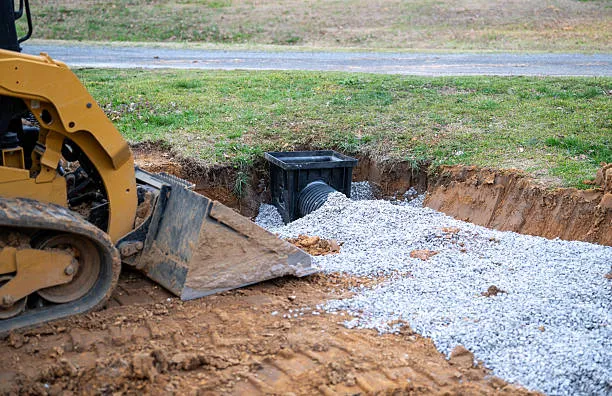
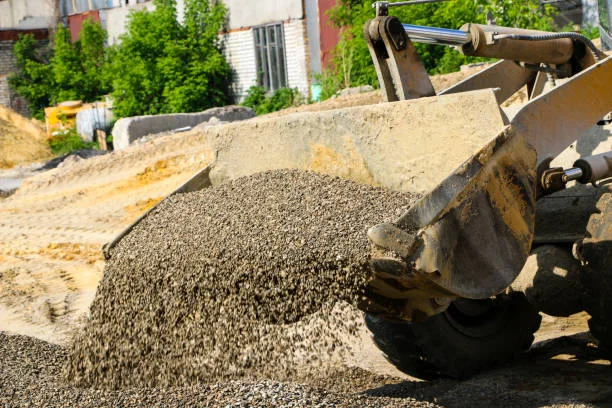
backfilling is essential when constructing retaining walls. It involves placing suitable material behind the wall to provide support and improve drainage. Using gravel or crushed stone allows water to drain away from the wall efficiently, reducing pressure build-up and prolonging its life.
Ensuring Proper Drainage Systems
Proper drainage systems are vital for maintaining the integrity of retaining walls. By installing pipes or using specific fill materials, you enable excess water to escape rather than accumulate behind the wall. Good drainage not only prevents waterlogging but also minimizes freeze-thaw cycles that can cause cracks.
Addressing Common Construction Challenges
Several challenges arise when building retaining walls. These include managing soil erosion, dealing with varying weather conditions, and ensuring compliance with local regulations. Understanding these issues beforehand helps in planning effective solutions.
- Manage soil erosion through landscaping techniques like planting grass or shrubs.
- Use weather-resistant materials to combat environmental impacts.
- Ensure all construction meets local building codes and safety standards.
Implementing Best Practices for Long-Term Success
Adopting best practices ensures the long-term success of your retaining wall projects. Regular inspections and maintenance can identify potential problems early on. Moreover, employing skilled professionals guarantees that installation follows industry standards.
- Conduct annual inspections to assess structural integrity.
- Perform routine maintenance such as cleaning drainage outlets.
- Hire experienced contractors for repairs and new installations.
Conclusion With Professional Guidance
By focusing on essential aspects like soil preparation, material selection, and drainage, you can significantly enhance the durability of retaining walls. Investing in professional expertise ensures quality workmanship and adherence to industry standards. For those seeking reliable solutions in Blanco, TX, partnering with De Leon's Ranch Services can make all the difference. Contact us today at (210) 729-6623 for expert guidance tailored to your specific needs.